
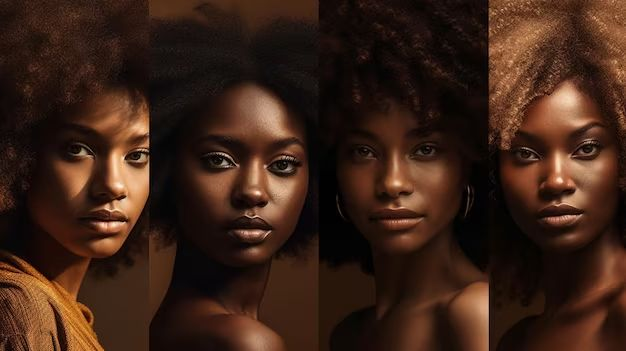
Skin Equity: Representation of Dark Skin in Skincare
The skincare industry has made significant strides in innovation, yet the representation of dark skin remains inconsistent, particularly in research, discourse, and visual imagery. While the global beauty market is slowly embracing a more diverse range of skin tones, gaps still exist, and this lack of representation leads to confusion, misdiagnosis, and ineffective product recommendations for those with darker skin tones.
Why Dark Skin is Often Left Out
Globally, the conversation around skincare has long centred around lighter skin tones. Much of the research, product development, and marketing strategies have historically catered to Western markets, leading to fewer studies and products designed with melanin-rich skin in mind.
Bias in skin representation begins with the way skin is classified. The Fitzpatrick Skin Type (FST) scale, developed in 1975 by Thomas B. Fitzpatrick, was designed to assess the propensity of the skin to burn during sun exposure. FST originally categorised skin colour into four types (I–IV) covering only light skin tones; skin types V and VI were later added to include individuals of brown and black skin. However the FST scale, often considered the gold-standard in skin-typing in dermatology, has been critiqued for its inherent and perpetuation of bias.
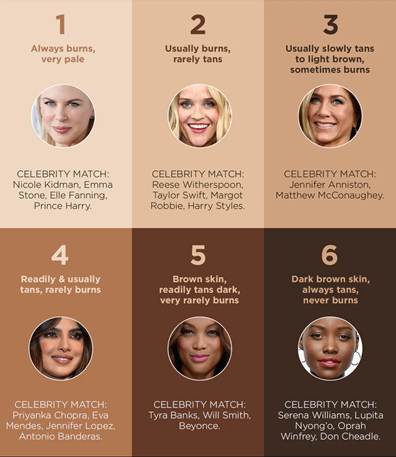
The Fitzpatrick skin phototypes. Image source: Dr Natasha Cook
Indeed, darker-skinned consumers have long expressed frustration at being underrepresented. In the practice of dermatology for example, textbooks overwhelmingly show images of lighter skin, making identification and diagnosis of skin conditions difficult. In fact, a 2012 study found that 47% of American dermatologists felt that their training did not adequately prepare them to identify or treat conditions in dark skin. As a result, dermatologists have long struggled to treat darker skin types oftentime leading to delayed or misdiagnosis of conditions.
A 2021 literature review published in the International Journal of Women’s Dermatology evaluated scientific journals to determine content applicable for darker skin. Out of 52 journals, only 16.8% contained content relevant to skin of colour. Projects like the Mind the Gap are working to narrow the divide by offering depictions of skin conditions on black and brown skins, but much more needs to be done.
In Africa, where the majority of the population has darker skin tones, this underrepresentation feels particularly misplaced. Consumers are becoming more discerning about skincare, but many still find that products and information are either unavailable or do not regard their skin’s unique needs. In the same 2021 literature review, only 3.6% of articles on darker skin were from African countries.
Challenges in Research and Product Formulation
One of the most critical areas of concern is the lack of comprehensive research and testing of products. Most skincare studies are conducted on lighter skin tones, with insufficient attention paid to the biological differences in darker skin. Differences in melanin content for example, can influence how the skin reacts to sun exposure, how hyperpigmentation manifests, and even how conditions like acne and eczema present themselves. Recent studies have also shown that darker skin types have lower levels of ceramides present, which are important for retaining skin moisture and preventing the entry of germs into the body.
These challenges often extend into marketing campaigns via misleading product efficacy claims. As one dermatologist opined, when brands advertise that ‘X percent of women saw improvement in four weeks,’ they’re often referencing women with lighter skin tones, who exclusively made up the trial subjects. This can be misleading for consumers with darker skin tones, for whom results may differ dramatically. Without proper testing on diverse skin types, these claims fail to accurately reflect the product’s effectiveness for people with deeply melanated skin.
In response to these challenges, Black-owned skincare companies have emerged as vital players in addressing the gaps left by mainstream brands. Entrepreneurs within the community are leveraging their firsthand experiences and insights into the needs of darker skin tones to develop products specifically tailored to these consumers. Brands like Topicals, Epara and Hyper Skin have garnered significant success by prioritising inclusivity in both product formulation and marketing. These businesses not only focus on addressing issues like hyperpigmentation, dryness, and sensitivity in darker skin but also challenge traditional beauty standards by celebrating and promoting diverse forms of beauty.
On the African continent, misconceptions about darker skin go beyond underrepresentation. The lack of region-specific research also presents a significant gap. Often, African beauty is depicted in a monolithic way that overlooks the diversity of the continent, treating it as if all cultures and appearances are the same. Each country has its own climate and environmental factors that affect skin health and conditions like UV exposure and pollution can all affect how skin reacts to products.
Underpinning all this is the ongoing lack of funding for research on dark skin. Moreover, venture capital in the beauty industry has historically overlooked African markets, limiting opportunities to develop products specifically for these consumers. However, there is growing optimism as funding for A-beauty (African beauty)brands slowly increases. Recent successes, like the USD 1.4 million seed funding secured by Kenyan brand Uncover Skincare, demonstrate a growing interest in investing in innovative brands that address the unmet needs of African and melanated skin. This shift is encouraging, but broader funding is still crucial to drive more inclusive research and product development that serves diverse skin tones.
AI and Skin Analysis Tools: A Modern Issue
Artificial Intelligence (AI) is supercharging the future of skincare. From AI-powered skin consultations, to generative AI skincare tailoring services, AI’s prominence in the skincare industry is accelerating. According to the Global AI in Beauty and Cosmetics Market Report, AI in the cosmetics industry market was valued at USD 3.7 billion in 2023, and is expected to rise to USD 16 billion by 2031.
Alongside AI-based beauty apps and devices, and the provision of AI-led real-time customer service, one segment that has seen booming growth in recent years is that of personalised recommendations via skin analysis tools. These tools claim to assess your skin’s condition and recommend products based on algorithms, but there’s a major flaw — many of these tools aren’t trained on images of dark skin. This results in biassed assessments that can misdiagnose or overlook specific issues in darker skin. For example, AI tools might struggle to detect hyperpigmentation accurately or misclassify certain skin conditions due to their appearance on dark skin.
In a recent study, researchers in Uganda tested the accuracy of an AI-powered dermatological algorithm to diagnose skin conditions on Fitzpatrick VI skin. Findings showed that accuracy was as low as 17% on dark skin in comparison to 70% on caucasian skin. Although this study focused on a single algorithm, it highlights the broader issue of underrepresentation and bias in dermatological research and technology. The positive news is that scientists are actively exploring new ways to bring more inclusive approaches to detect underrepresented skin hues to AI.
The Role of Social Media in Democratizing Skincare Knowledge
Social media has acted as a catalyst for inclusivity in the skincare arena, particularly for conversations around dark skin. On platforms such as TikTok and Instagram, dermatologists and skincare experts educate their audiences on how darker skin behaves differently and which products or treatments are best suited for it. Hashtags like #DermTok and #MelaninSkin have opened the door for more nuanced discussions on issues such as hyperpigmentation, sun protection, and the effects of acne scars on darker skin tones.
These digital spaces have also democratised access to skincare education for consumers and professionals alike. No longer is information only accessible through medical journals or exclusive conferences; now, skincare professionals can follow experts who specialise in melanin-rich skin and stay updated on best practices for their clients.
Conclusion
Representation of dark skin in skincare is improving, but there is still much work to be done. Through the creation of specialised products, the empowerment of black-owned businesses, and the emphasis on education, this movement has not only changed the landscape of the skincare market but has also played a crucial role in shaping a more inclusive and representative beauty industry. As consumers continue to demand authenticity and diversity, the rise in black skincare serves as a powerful testament to the beauty of embracing and celebrating one’s unique identity.


Leave a Reply